
Keeping the Child in Mind
Learning objectives
Having read this chapter resources and answered the questions, you should have a better understanding of how the Children Act 1989 and the Children Act 2004 have shaped social work practice.
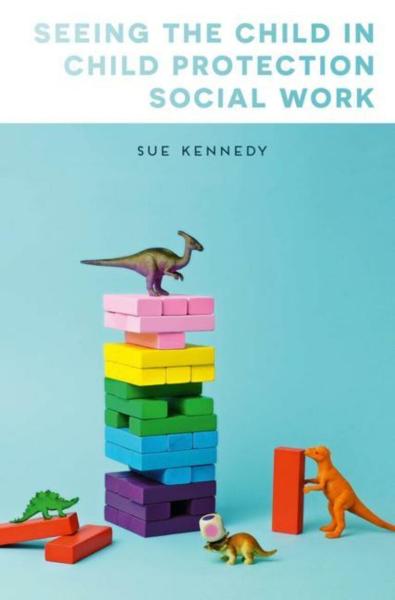
Keeping the Child in Mind
This chapter from Seeing the Child in Child Protection Social Work, by Sue Kennedy brings to the fore those children who come to the notice of social workers as a result of abuse and is set within an examination of the Children Act 1989 and the Children Act 2004. Both of these acts were considered to be child-centred and ambitious in their intentions to bring about a different social and cultural relationship with children in England and Wales who needed support and protection. An important focus of this chapter is to question whether the lives of children who are considered likely to suffer significant harm have become more complex in this time frame and, if so, what this means for the child and social work practice in child protection now.
You can find out more about Seeing the Child in Child Protection Social Work by visiting the Bloomsbury website here.
Reflective Questions
- Why was the Children Act 1989 such a significant piece of legislation?
- This chapter features the case of Ainlee Labonte, who died at the age of 3 in 2002, with over 60 injuries and a body weight well below that expected of a child her age. The case examines the circumstances of Ainlee’s mother, Leanne. Why do you think Leanne was not seen as a child deemed vulnerable and at risk of significant harm?
- What do you understand the term ‘complexity’ to mean with regard to social work? Has social work become more complex? What impact might this have on your practice?