
Working with involuntary service users
Learning Objectives
After considering this resource, you should understand how 'good authority' can be used to foster better relationships with service users who display resistance to social work intervention.
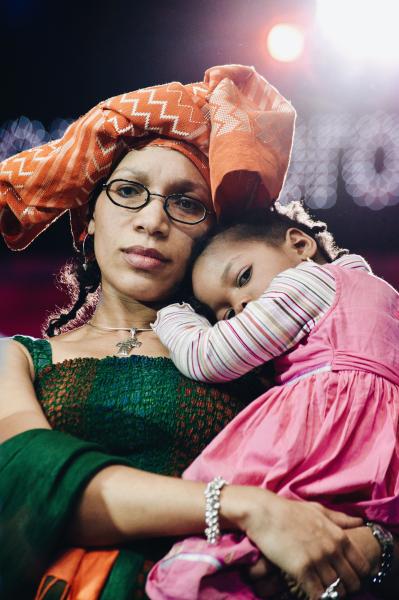
Some service users can be reluctant to accept the need for social work support or can be resistant or even hostile to social work intervention. As a practitioner in this situation it can be difficult to balance the care and control elements of the social work task in a way that is both empathic and authoritative.
These audio extracts, taken from Chapter 12 of Harry Ferguson's Child Protection Practice offer advice on how to recognize and work through resistance in order to promote positive change. Central to this approach is the constructive use of ''good authority''.This is grounded in the necessity for authority and requires sensitive awareness and management of the emotional dynamics between service user and social worker, relying on a strong empathetic engagement.
Harry Ferguson devised an 8 step model which he called 'Authoritative negotiated child protection' to allow practitioners to develop the skills and confidence to improve relationships with involuntary service users. Although the practice applications of this particular model were conceived with child protection in mind, the underlying principles are applicable to other social work roles, and students may usefully adapt the eight outlined steps for many different work situations.
The chapter content has been divided into 5 separate audio extracts, as follows:
(Please note: due to the volume of material the audio files may take some time to load.)
1. Introduction
2. Steps 1 and 2
3. Steps 3 and 4
4. Steps 5-8
Conclusion
Reflective Questions
- What reasons for resistance have you come across with service users that you have worked with?
- What would you define as the negotiable and non-negotiable elements of the service user-social worker relationship?
- What goals and behaviours can you identify that could usefully indicate progress and change on the part of resistant service users ?
Reference:
H Ferguson (2011) Child Protection Practice Basingstoke: Palgrave Macmillan.