
Assessing parental care-giving
Learning Objectives
After considering this resource should you should be able to identify different parenting behaviours and establish the nature of carers' relationships with children.
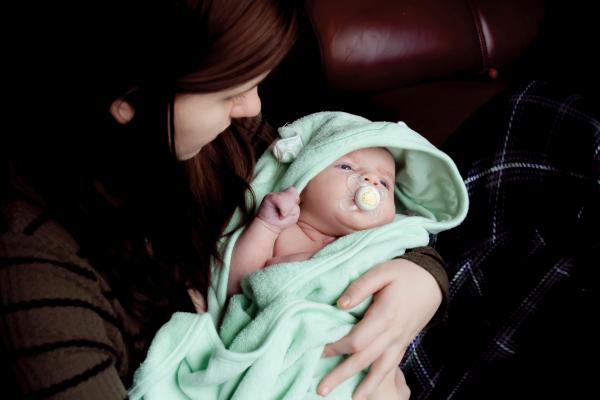
According to Horwath (2007), parenting capacity is influenced by parenting ability, motivation and opportunities (which can be strongly affected by socio-economic factors). Good enough parenting involves a complex skill set learnt largely through observation and experience.
Parents can be deeply distrustful of professional intervention and neglect may not be immediately obvious from the environment of the home. Your assessment needs to be based on observations of carer-child interactions (ideally over the course of more than one meeting) as well as discussion about those interactions with the carer and, if possible, with the child.
This resource, taken from Jan Horwath's Child Neglect: Identification and Assessment (2007), will help guide your observations and the kinds of questions you need to ask.
To read more from this chapter 'The Assessment Task and Process: Factors that Promote and Inhibit a Child Focus', click here.
Reflective Questions
- How is a carer's own experience of being cared for likely to affect their ability and motivation to interact with and meet the needs of their child?
- What issues could affect a care-giver's opportunities to care for their child?
- How might you go about building trust with a care-giver in order to engage in meaningful interaction with them?
- Consider the role of mother, father and grandmother as care-giver. How might these different roles impact on the child's experience of being cared for?
Reference: J Horwath (2007) Child Neglect: Identification and Assessment. Basingstoke: Palgrave Macmillan